


-
-
Journal of Clinical Oncology Associations of a Breast Cancer Polygenic Risk Score With Tumor Characteristics and Survival 2023.01.27.Volume 41, Number 10 논문 보기
A polygenic risk score (PRS) consisting of 313 common genetic variants (PRS313) is associated with risk of breast cancer and contralateral breast cancer. This study aimed to evaluate the association of the PRS313 with clinicopathologic characteristics of, and survival following, breast cancer.
Women with invasive breast cancer were included, 98,397 of European ancestry and 12,920 of Asian ancestry, from the Breast Cancer Association Consortium (BCAC), and 683 women from the European MINDACT trial. Associations between PRS313 and clinicopathologic characteristics, including the 70-gene signature for MINDACT, were evaluated using logistic regression analyses. Associations of PRS313 (continuous, per standard deviation) with overall survival (OS) and breast cancer–specific survival (BCSS) were evaluated with Cox regression, adjusted for clinicopathologic characteristics and treatment.
The PRS313 was associated with more favorable tumor characteristics. In BCAC, increasing PRS313 was associated with lower grade, hormone receptor–positive status, and smaller tumor size. In MINDACT, PRS313 was associated with a low risk 70-gene signature. In European women from BCAC, higher PRS313 was associated with better OS and BCSS: hazard ratio (HR) 0.96 (95% CI, 0.94 to 0.97) and 0.96 (95% CI, 0.94 to 0.98), but the association disappeared after adjustment for clinicopathologic characteristics (and treatment): OS HR, 1.01 (95% CI, 0.98 to 1.05) and BCSS HR, 1.02 (95% CI, 0.98 to 1.07). The results in MINDACT and Asian women from BCAC were consistent.
An increased PRS313 is associated with favorable tumor characteristics, but is not independently associated with prognosis. Thus, PRS313 has no role in the clinical management of primary breast cancer at the time of diagnosis. Nevertheless, breast cancer mortality rates will be higher for women with higher PRS313 as increasing PRS313 is associated with an increased risk of disease. This information is crucial for modeling effective stratified screening programs.

Total : 35개 (page : 2/3)
-
 Association analysis identifies 65 new breast cancer risk loci
-
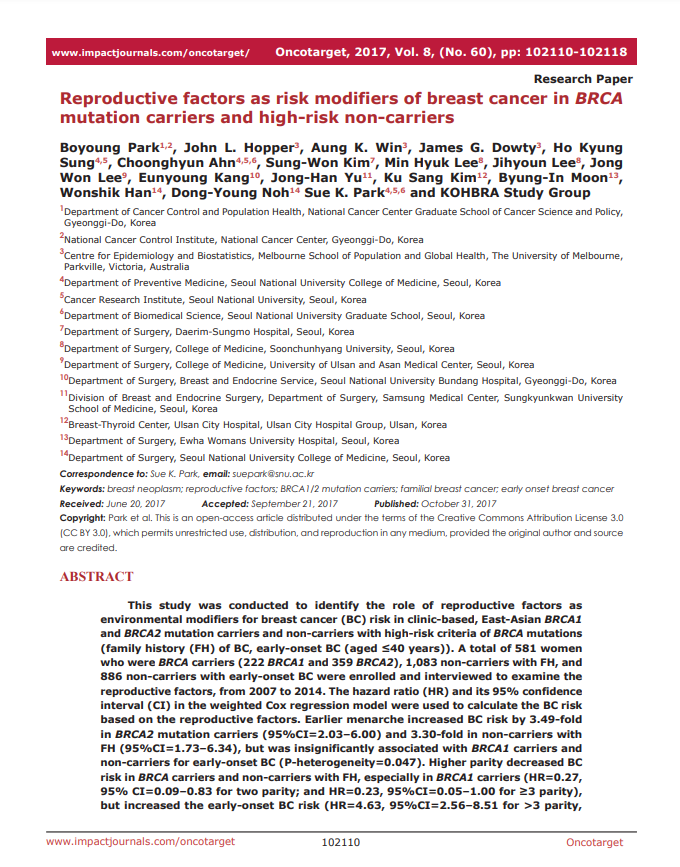 Reproductive factors as risk modifiers of breast cancer in BRCA mutation carriers and high risk
-
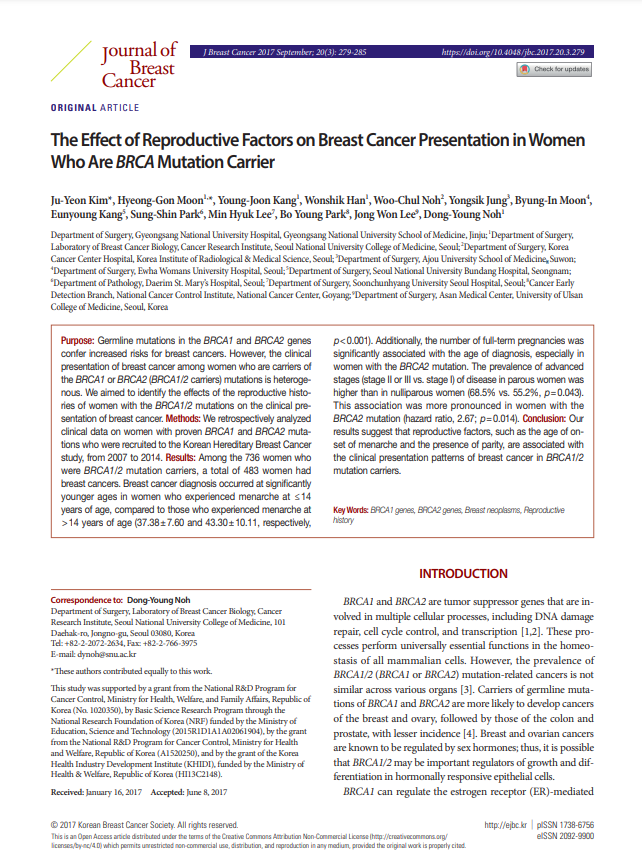 The Effect of Reproductive Factors on Breast Cancer Presentation in Women Who Are BRCA Mutation Carrier
-
 The Management Strategy of Benign Solitary Intraductal Papilloma on Breast Core Biopsy
-
 Prediction of Breast and Prostate Cancer Risks in Male BRCA1 and BRCA2 Mutation Carriers Using Polygenic Risk Scores
-
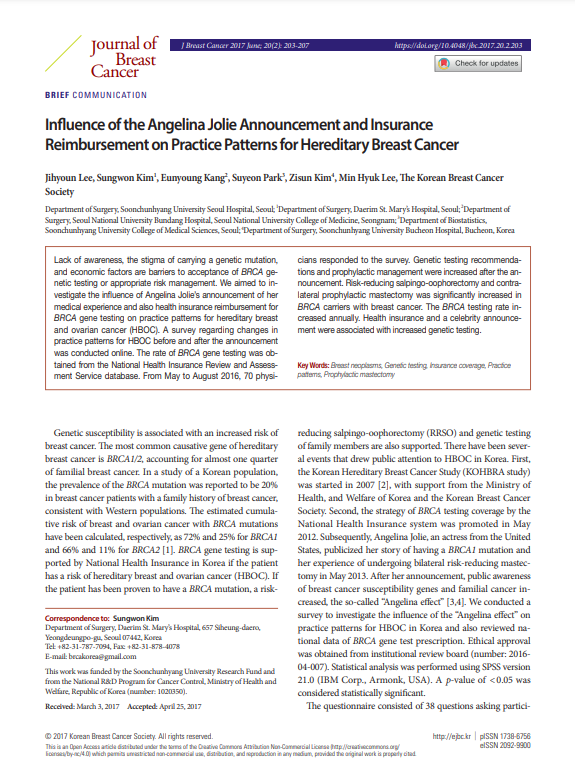 Influence of the Angelina Jolie Announcement and Insurance Reimbursement on Practice Patterns for Hereditary Breast Cancer
-
 Suggestion of BRCA1 c.5339T>C (p.L1780P) variant confer from 'unknown significance' to 'Likely pathogenic' based on clinical evidence in Korea
-
 Identification of 12 new susceptibility loci for different histotypes of epithelial ovarian cancer
-
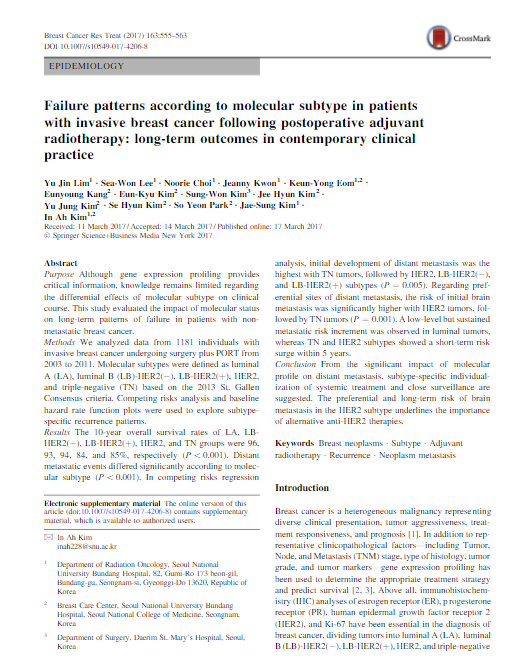 Failure patterns according to molecular subtype in patients with invasive breast cancer following postoperative adjuvant radiotherapy: long-term outcomes in contemporary clinical practice
-
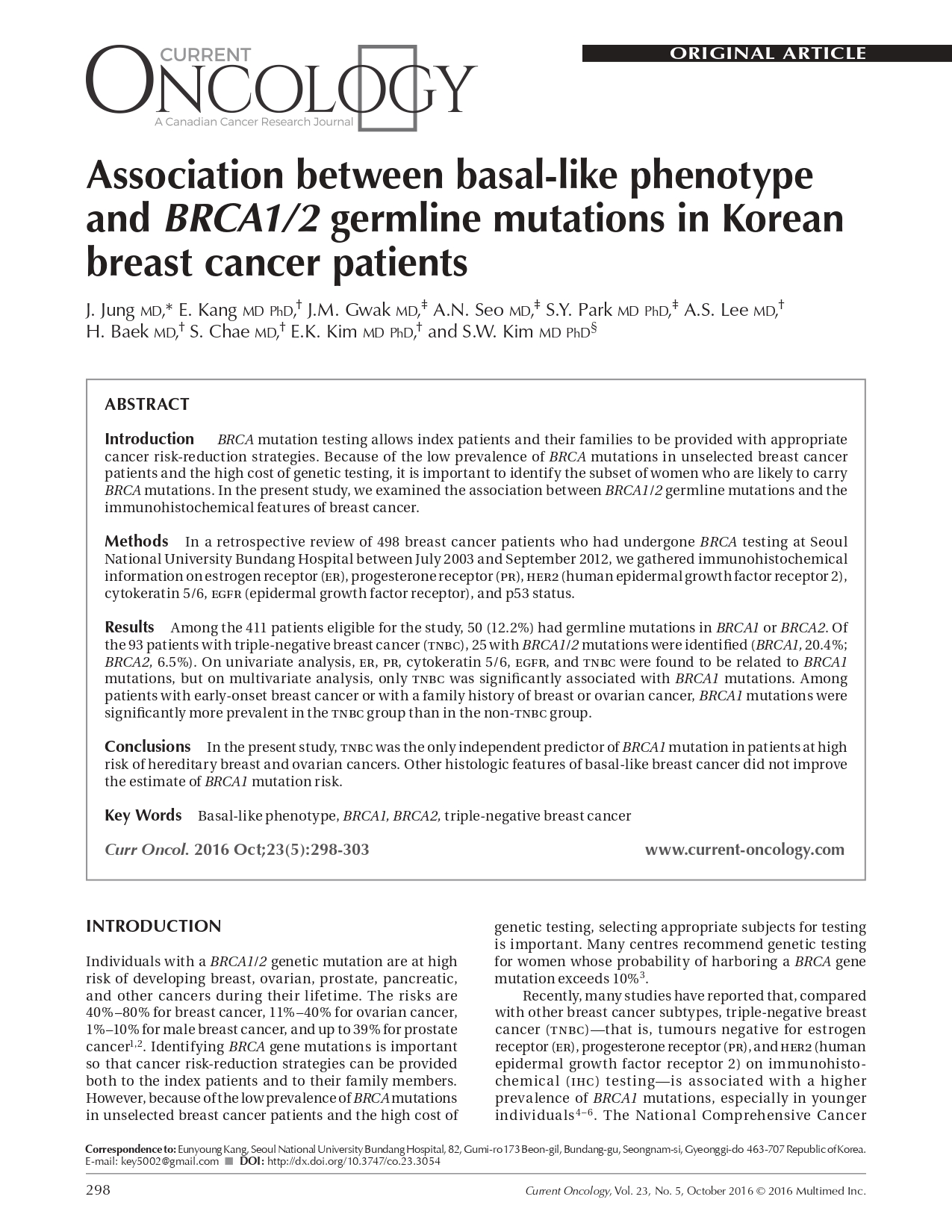 Association between basal-like phenotype and BRCA1/2 germline mutations in Korean breast cancer patients
-
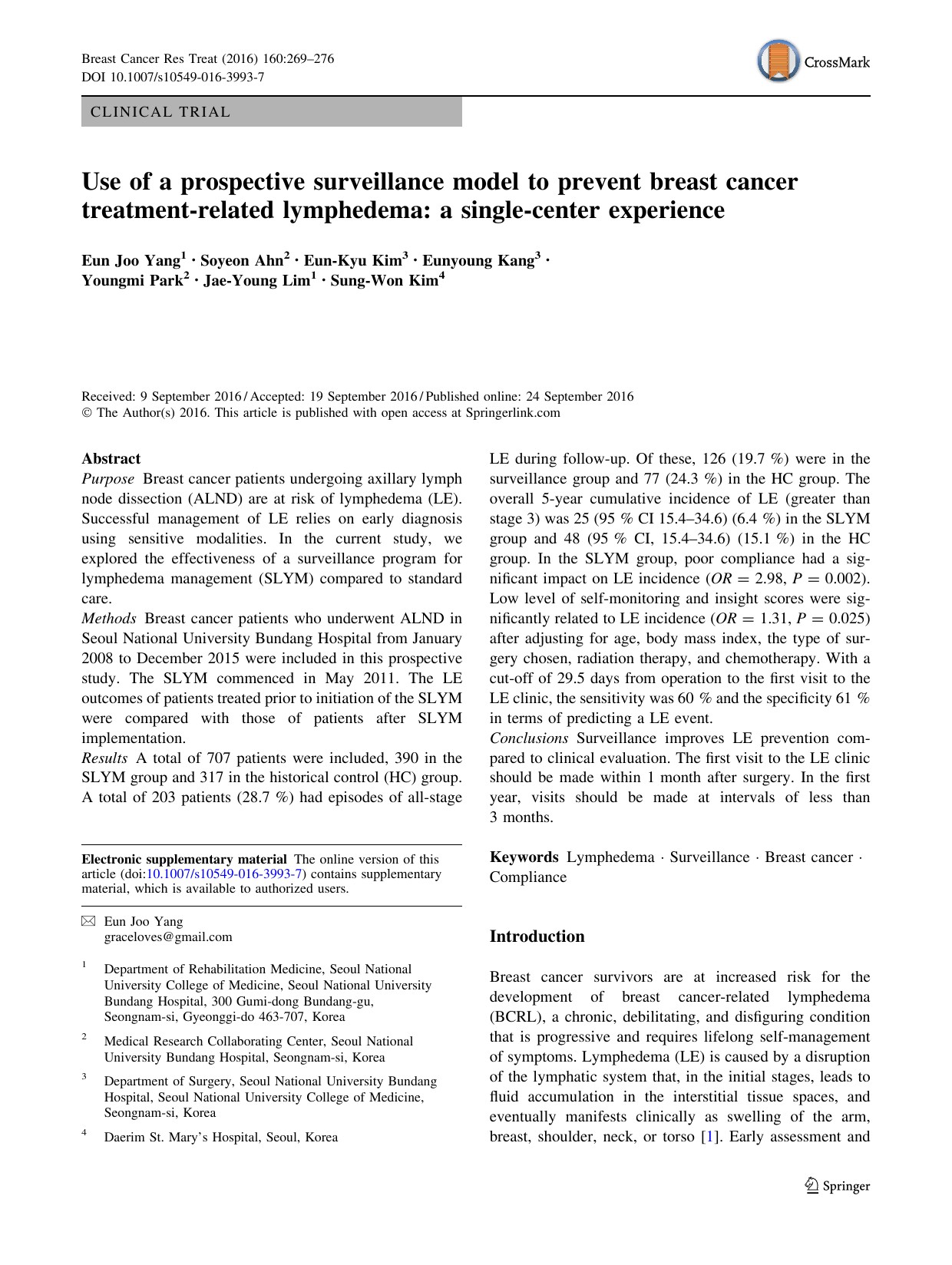 Use of a prospective surveillance model to prevent breast cancer treatment-related lymphedema: a single-center experience
-
 Reliability of Computer-Assisted Breast Density Estimation: Comparison of Interactive Thresholding, Semiautomated, and Fully Automated Methods
-
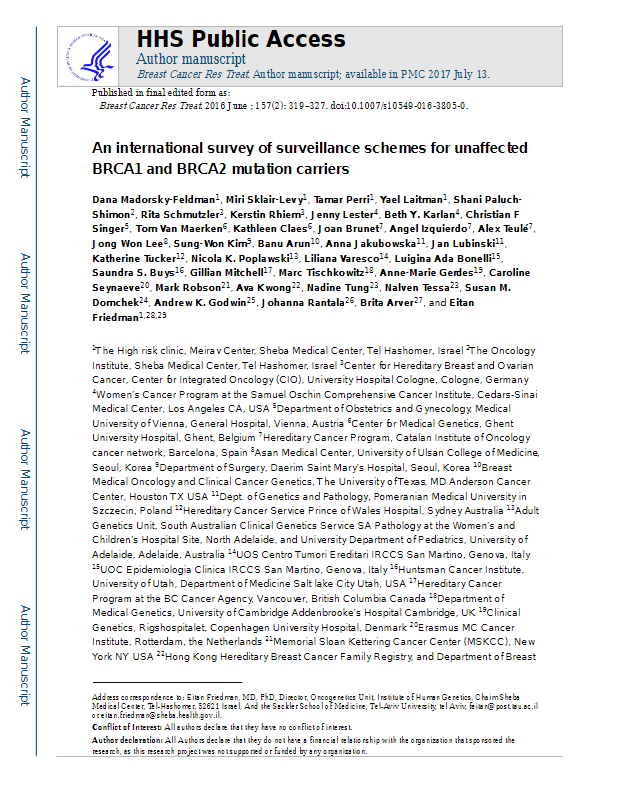 An international survey of surveillance schemes for unaffected BRCA1 and BRCA2 mutation carriers
-
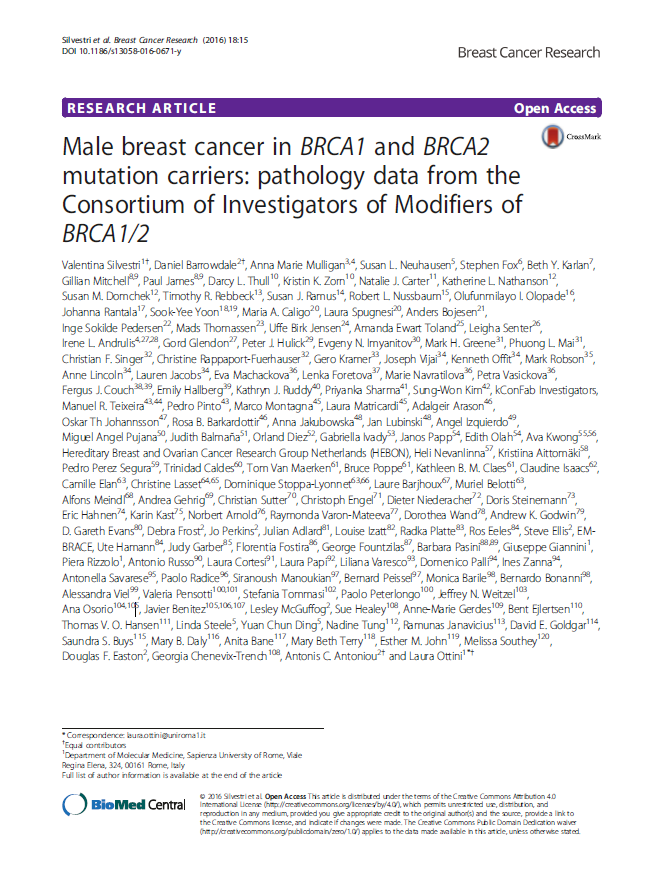 Male breast cancer in BRCA1 and BRCA2 mutation carriers: pathology data from the Consortium of Investigators of Modifiers of BRCA1/2
-
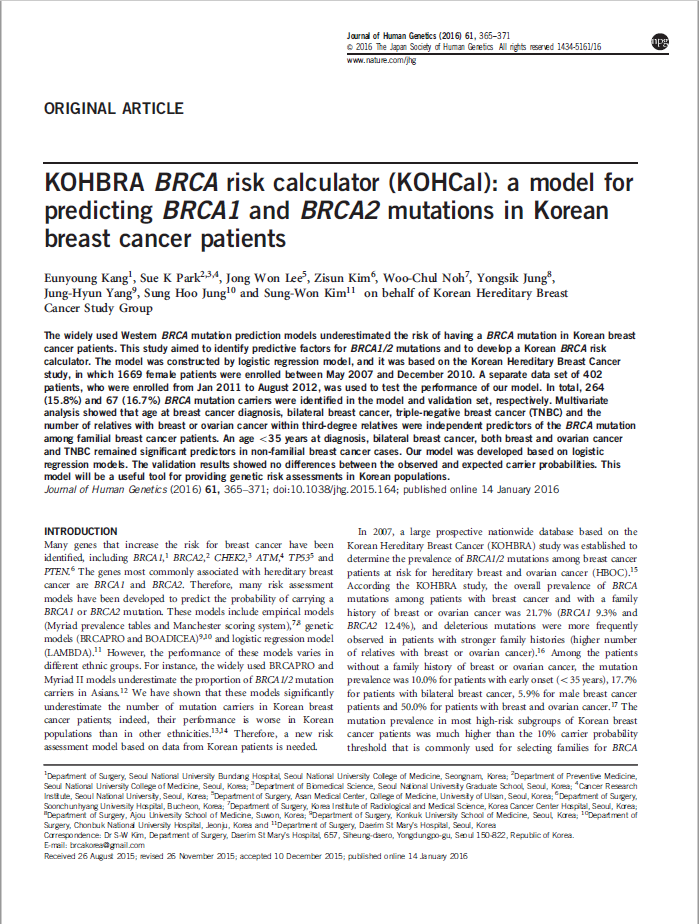 KOHBRA BRCA risk calculator (KOHCal): a model for predicting BRCA1 and BRCA2 mutations in Korean breast cancer patients


