


-
-
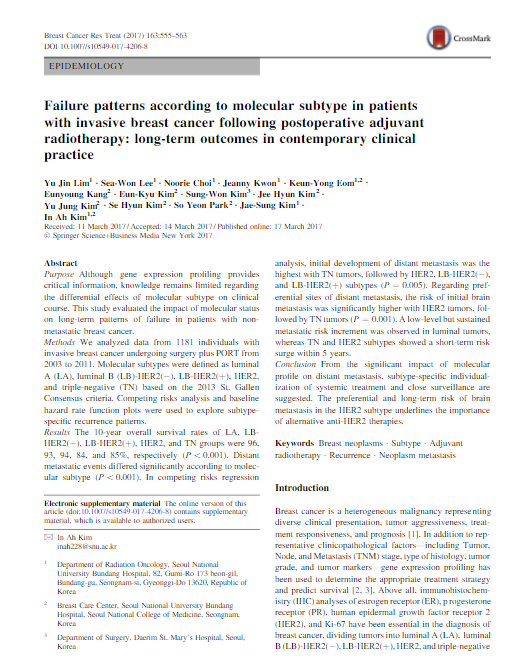
유방암 연구 저널 Failure patterns according to molecular subtype in patients with invasive breast cancer following postoperative adjuvant radiotherapy: long-term outcomes in contemporary clinical practice 2017.03.17.Breast Cancer Res Treat . 2017 Jun;163(3):555-563 논문 보기MethodsWe analyzed data from 1181 individuals with invasive breast cancer undergoing surgery plus PORT from 2003 to 2011. Molecular subtypes were defined as luminal A (LA), luminal B (LB)-HER2(-), LB-HER2(+), HER2, and triple-negative (TN) ba
sed on the 2013 St. Gallen Consensus criteria. Competing risks analysis and ba seline hazard rate function plots were used to explore subtype-specific recurrence patterns. ResultsThe 10-year overall survival rates of LA, LB-HER2(-), LB-HER2(+), HER2, and TN groups were 96, 93, 94, 84, and 85%, respectively (P < 0.001). Distant metastatic events differed significantly according to molecular subtype (P < 0.001). In competing risks regression analysis, initial development of distant me tastasis was the highest with TN tumors, followed by HER2, LB-HER2(-), and LB-HER2(+) subtypes (P = 0.005). Regarding preferential sites of distant me tastasis, the risk of initial brain me tastasis was significantly higher with HER2 tumors, followed by TN tumors (P = 0.001). A low-level but sustained me tastatic risk increment was observed in luminal tumors, whereas TN and HER2 subtypes showed a short-term risk surge within 5 years. ConclusionsFrom the significant impact of molecular profile on distant metastasis, subtype-specific individualization of systemic treatment and close surveillance are suggested. The preferential and long-term risk of brain me tastasis in the HER2 subtype underlines the importance of alternative anti-HER2 therapies.
Total : 35개 (page : 2/3)
-
 Association analysis identifies 65 new breast cancer risk loci
-
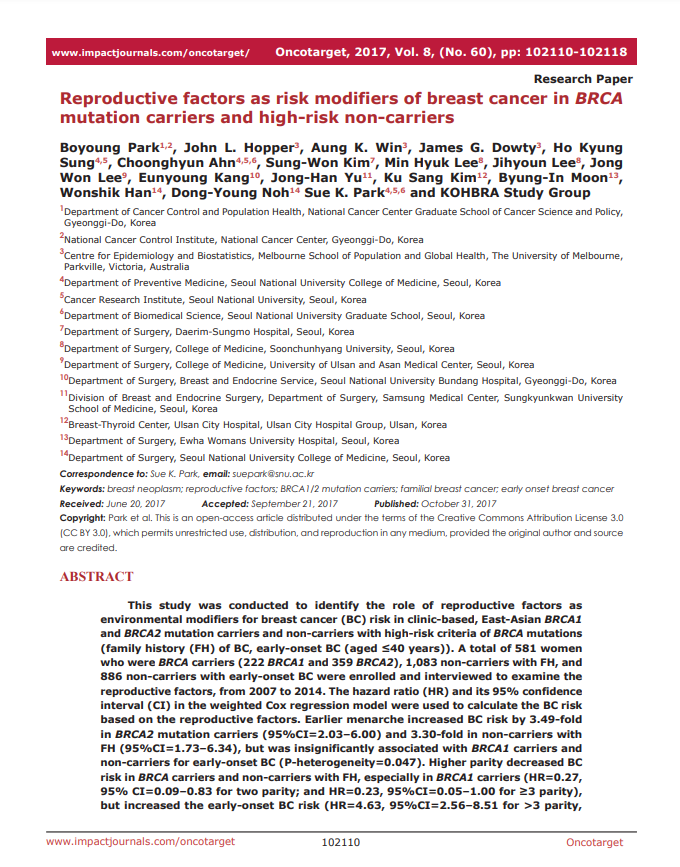 Reproductive factors as risk modifiers of breast cancer in BRCA mutation carriers and high risk
-
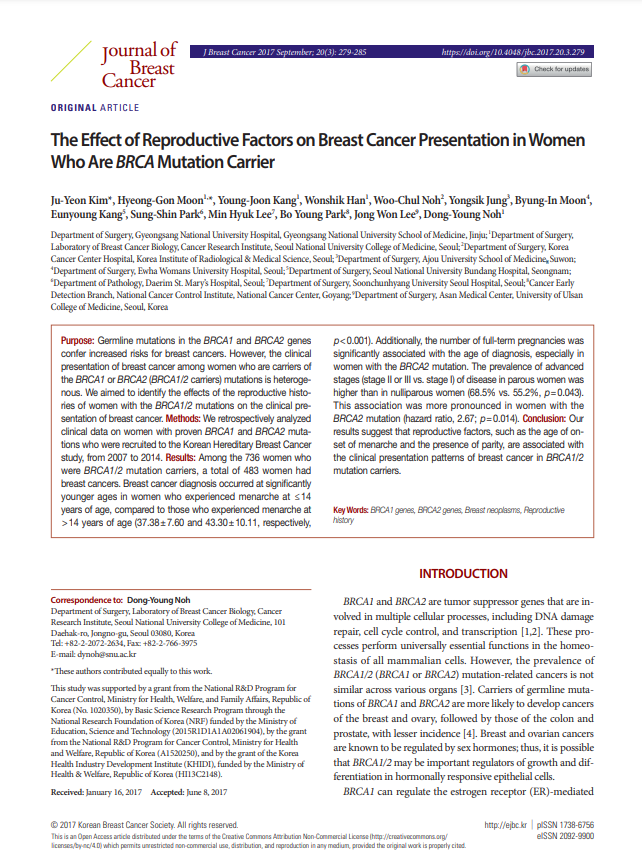 The Effect of Reproductive Factors on Breast Cancer Presentation in Women Who Are BRCA Mutation Carrier
-
 The Management Strategy of Benign Solitary Intraductal Papilloma on Breast Core Biopsy
-
 Prediction of Breast and Prostate Cancer Risks in Male BRCA1 and BRCA2 Mutation Carriers Using Polygenic Risk Scores
-
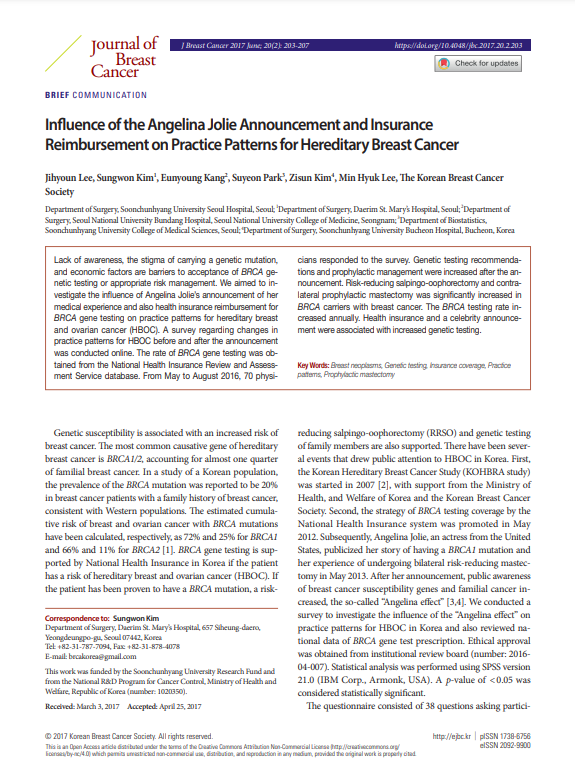 Influence of the Angelina Jolie Announcement and Insurance Reimbursement on Practice Patterns for Hereditary Breast Cancer
-
 Suggestion of BRCA1 c.5339T>C (p.L1780P) variant confer from 'unknown significance' to 'Likely pathogenic' based on clinical evidence in Korea
-
 Identification of 12 new susceptibility loci for different histotypes of epithelial ovarian cancer
-
Failure patterns according to molecular subtype in patients with invasive breast cancer following postoperative adjuvant radiotherapy: long-term outcomes in contemporary clinical practice
-
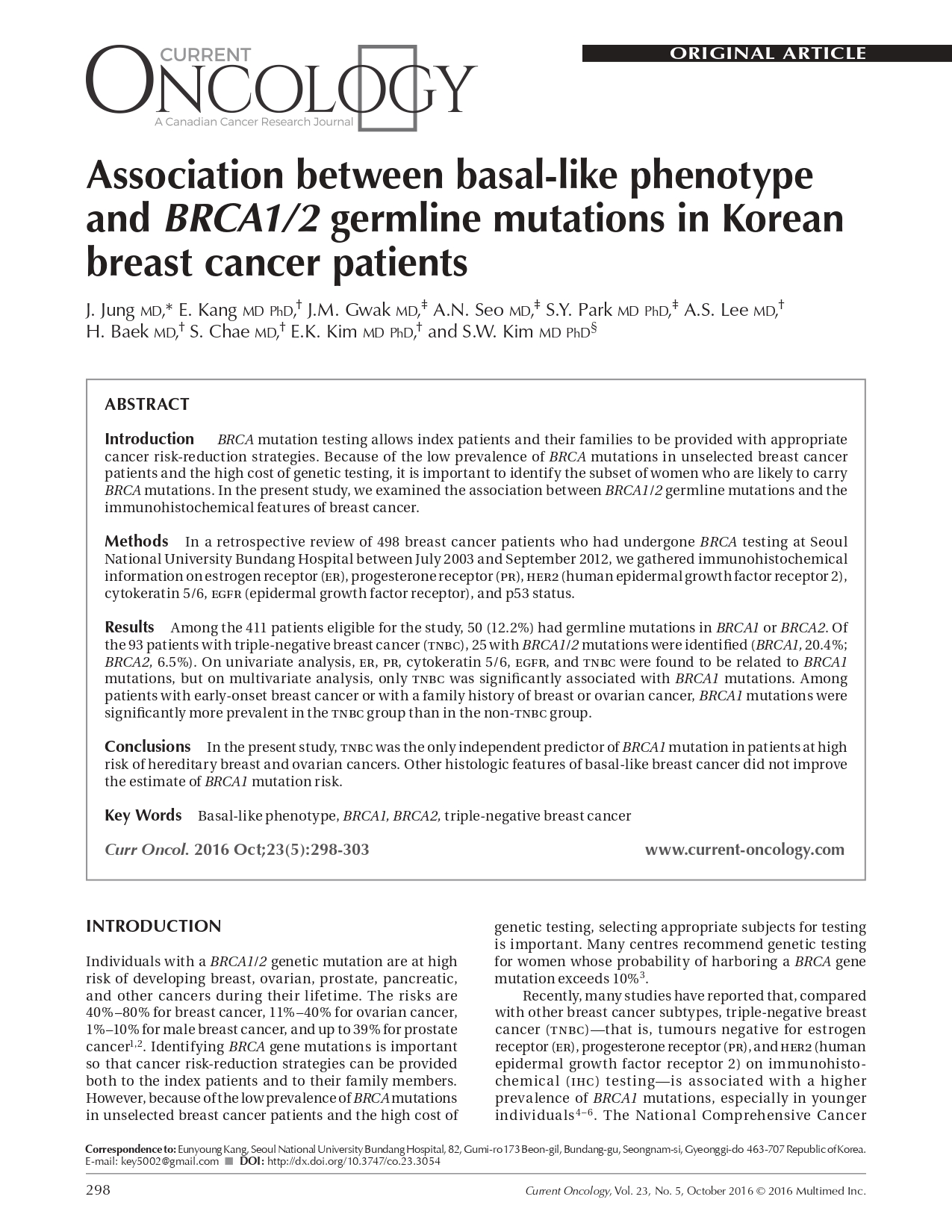 Association between basal-like phenotype and BRCA1/2 germline mutations in Korean breast cancer patients
-
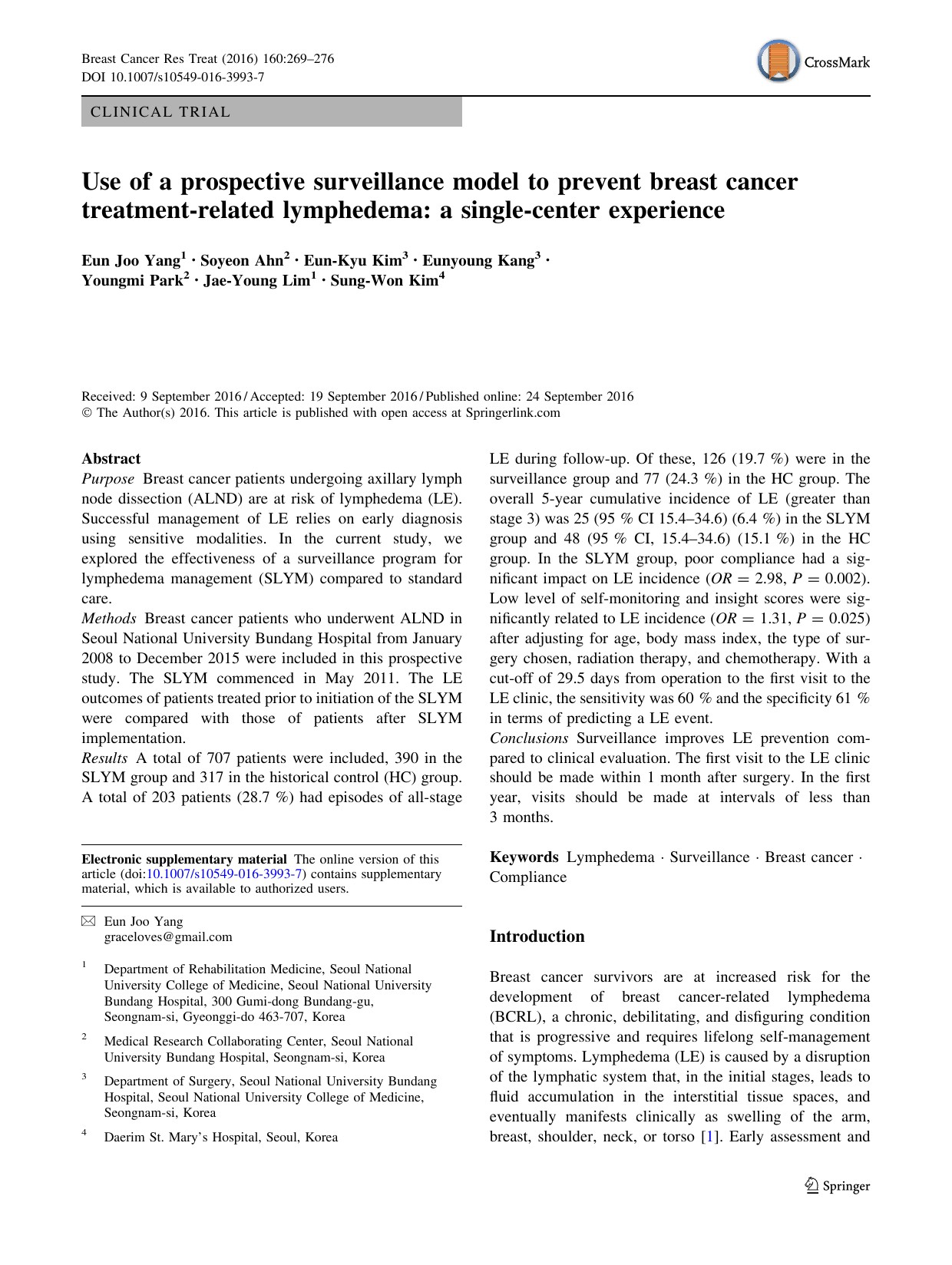 Use of a prospective surveillance model to prevent breast cancer treatment-related lymphedema: a single-center experience
-
 Reliability of Computer-Assisted Breast Density Estimation: Comparison of Interactive Thresholding, Semiautomated, and Fully Automated Methods
-
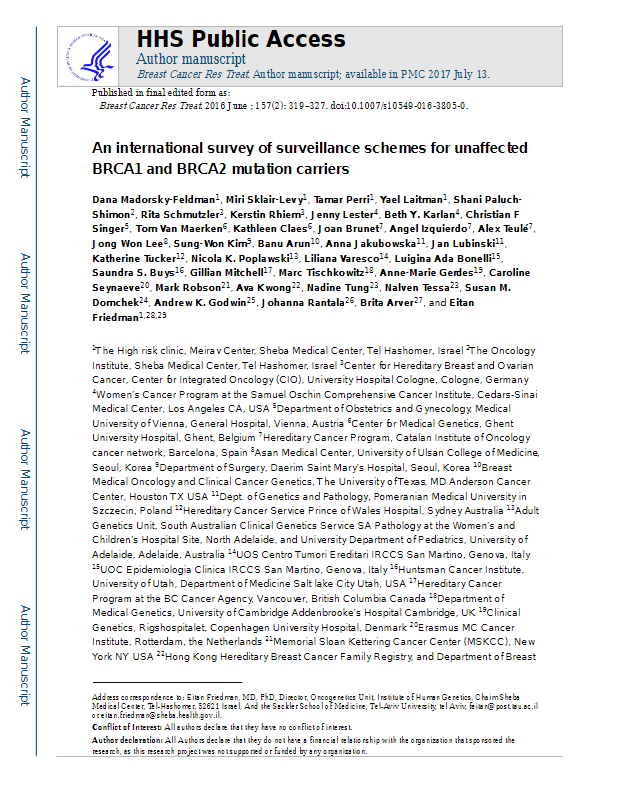 An international survey of surveillance schemes for unaffected BRCA1 and BRCA2 mutation carriers
-
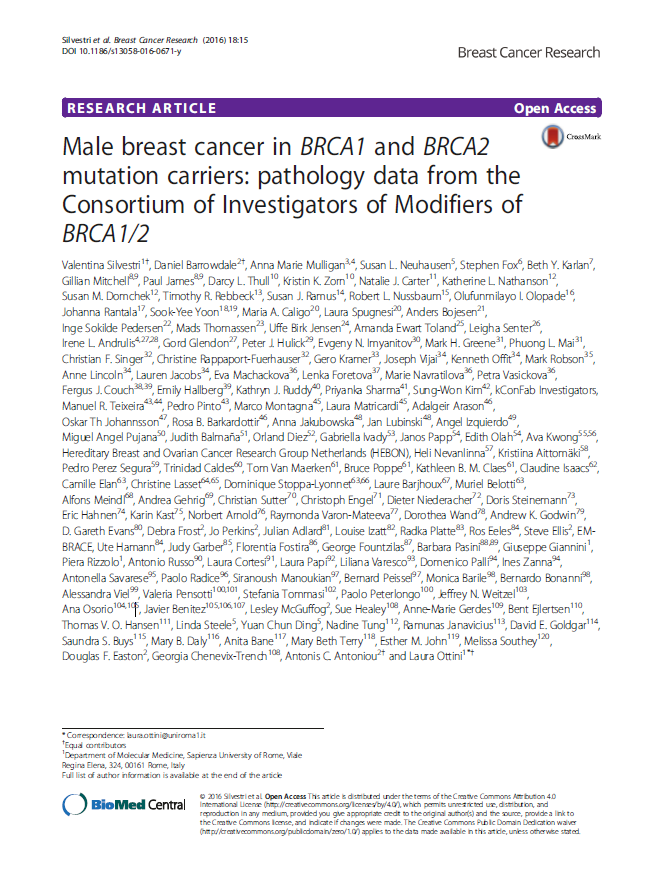 Male breast cancer in BRCA1 and BRCA2 mutation carriers: pathology data from the Consortium of Investigators of Modifiers of BRCA1/2
-
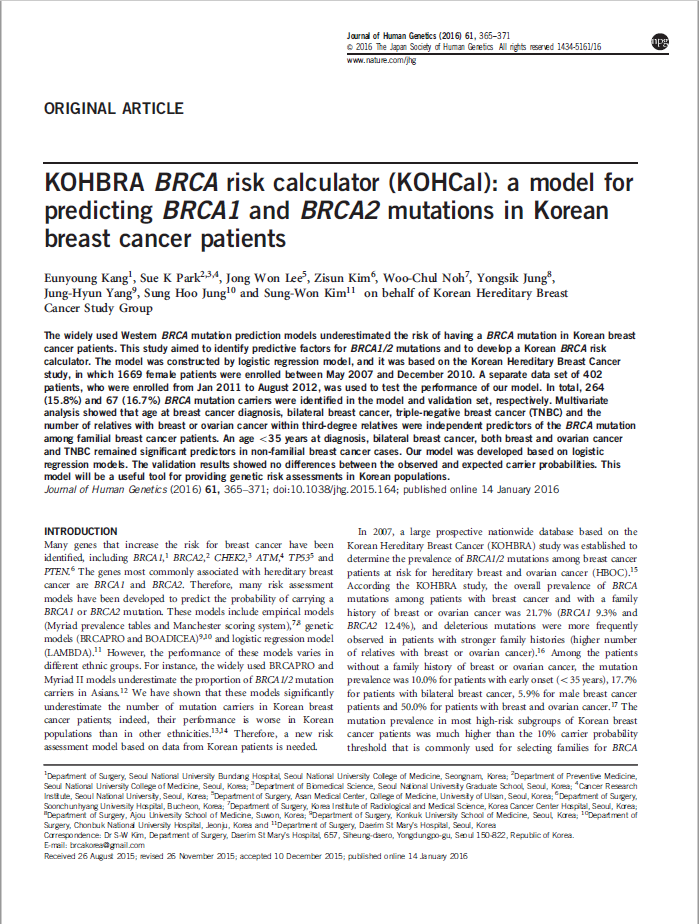 KOHBRA BRCA risk calculator (KOHCal): a model for predicting BRCA1 and BRCA2 mutations in Korean breast cancer patients


