
-
-
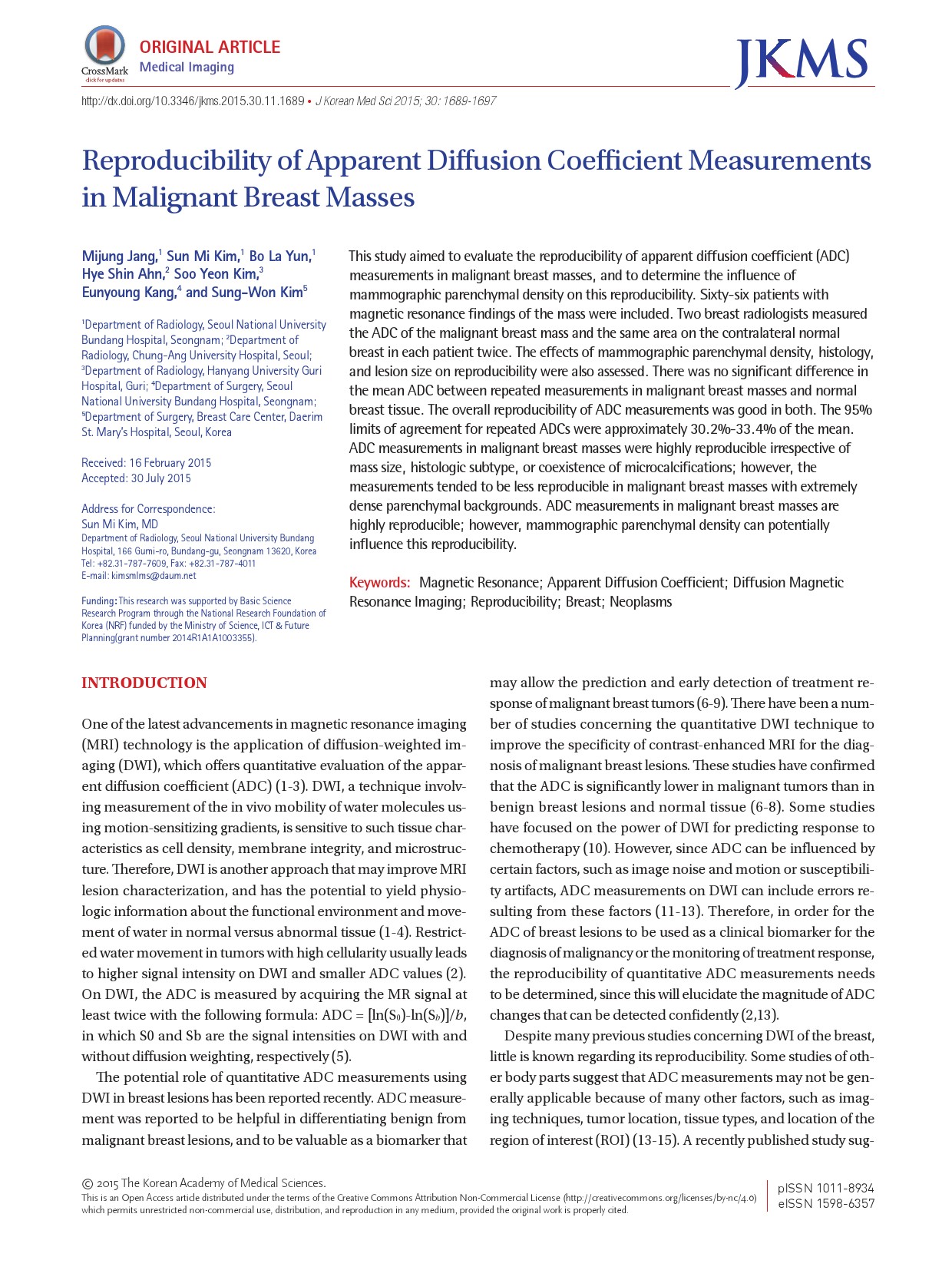
대한의학회 학회지 Reproducibility of Apparent Diffusion Coefficient Measurements in Malignant Breast Masses 2015.11.16.J Korean Med Sci. 2015 Nov;30(11):1689-1697. 논문 보기
Meterials and Methods
Subjects
Between October 2010 and February 2011, 85 consecutive breast cancer patients who were referred for preoperative MRI were prospectively enrolled in our study. Among these patients, we excluded those who demonstrated a non-mass enhancement (NME) pattern on MRI (n = 16), those with inflammatory breast cancer (n = 2), and those with bilateral breast cancer (n = 1). Finally, 66 patients (all women; mean age, 52.5 yr; age range, 29-82 yr) were enrolled in our study.
Results
Our study included 66 malignant breast masses in 66 patients; all masses were invasive ductal carcinomas with a mean diameter of 28.92 mm (range, 6-89 mm).
Discussion
Quantitative ADC measurements using DWI are a promising tool for improving the specificity of MRI for the diagnosis of malignant breast masses. Recent studies concerning this technique show the potential for improving the positive predictive value (PPV) of breast MRI for lesions of various types and sizes (6, 7, 22, 23). According to one study, applying an ADC threshold of 1.81×10⁻³ mm2/sec for 100% sensitivity produced a PPV of 47% vs. 37% for dynamic contrast-enhanced MRI alone (22). Moreover, ADC measurements have the potential to allow monitoring of the malignant breast mass and evaluation of the response to antitumor treatment (10). However, the practical application of ADC measurements remains controversial and requires standardization according to the imaging equipment and institutional protocol (24). Therefore, knowledge of the reproducibility of ADC measurements is of great importance for accurate interpretation of changes in the ADCs. For example, changes in the ADC values on follow-up DWI could result from measurement error or from actual changes caused by the tumor's response to treatment.
Total : 35개 (page : 1/3)
-
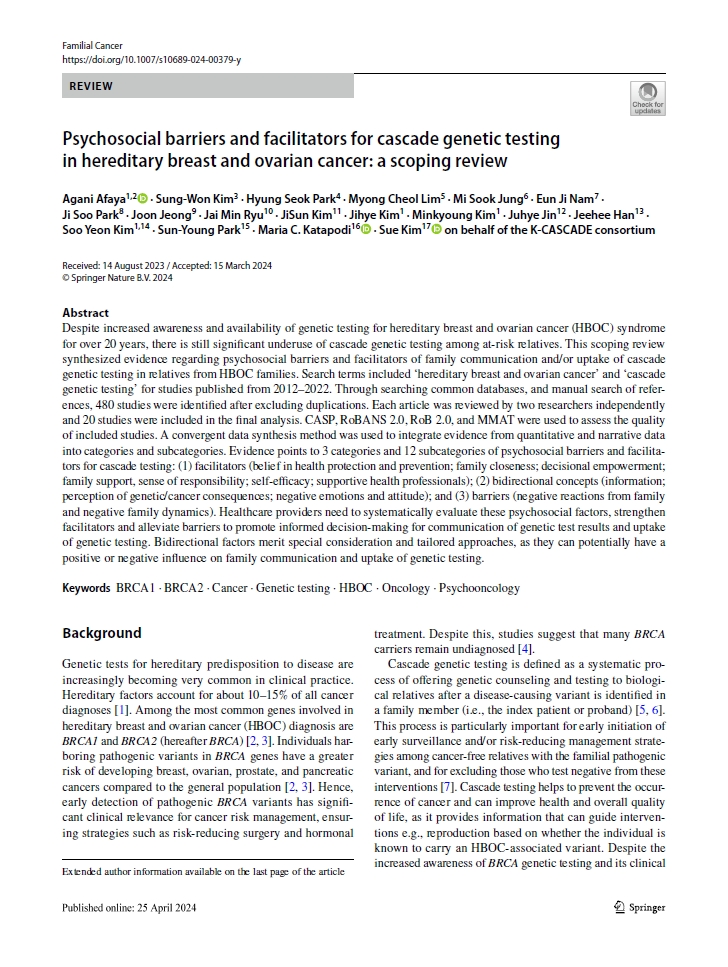 Psychosocial barriers and facilitators for cascade genetic testing in hereditary breast and ovarian cancer: a scoping review
-
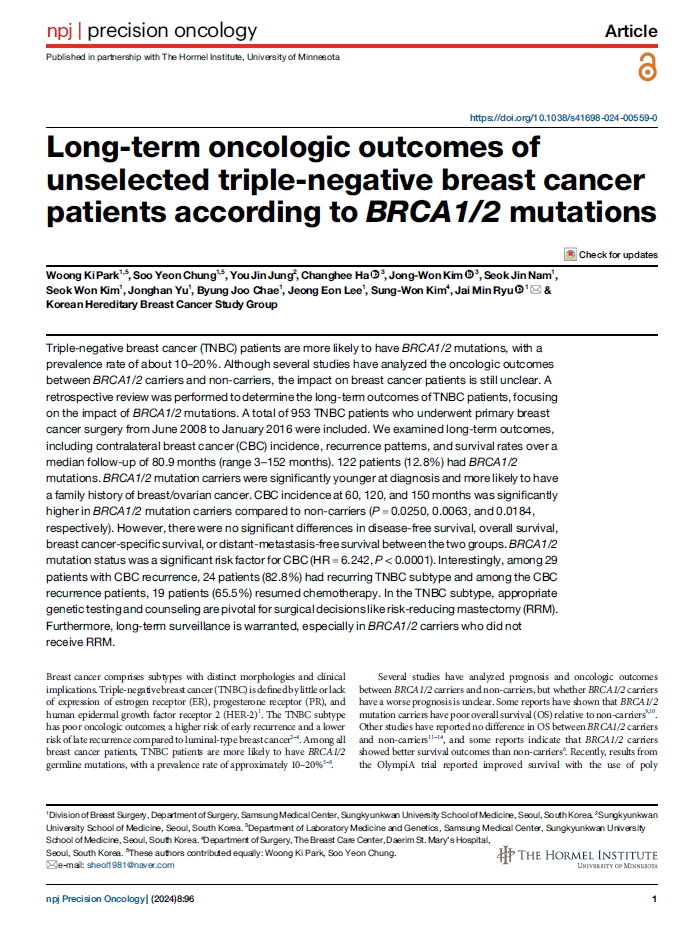 Long-term oncologic outcomes of unselected triple-negative breast cancer patients according to BRCA1/2 mutations
-
Associations of a Breast Cancer Polygenic Risk Score With Tumor Characteristics and Survival
-
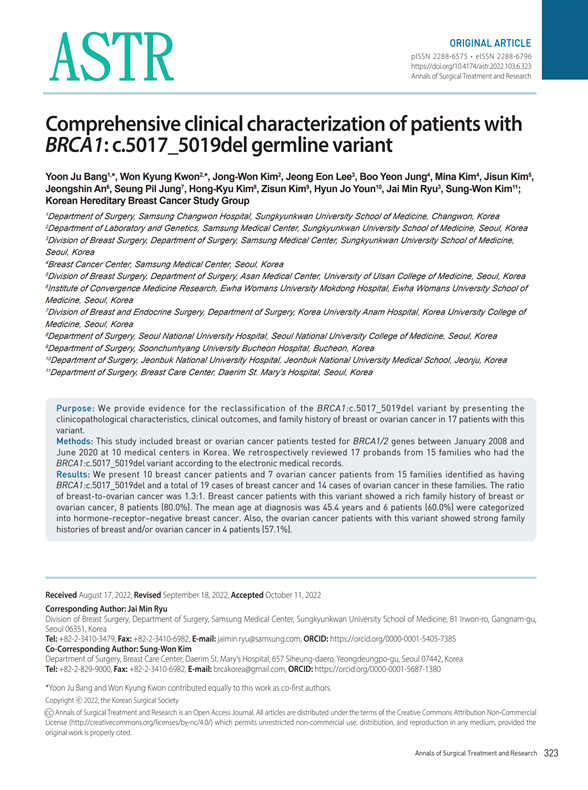 Comprehensive clinical characterization of patients with BRCA1: c.5017_5019del germline variant
-
 BRCA and Breast Cancer-Related High-Penetrance Genes
-
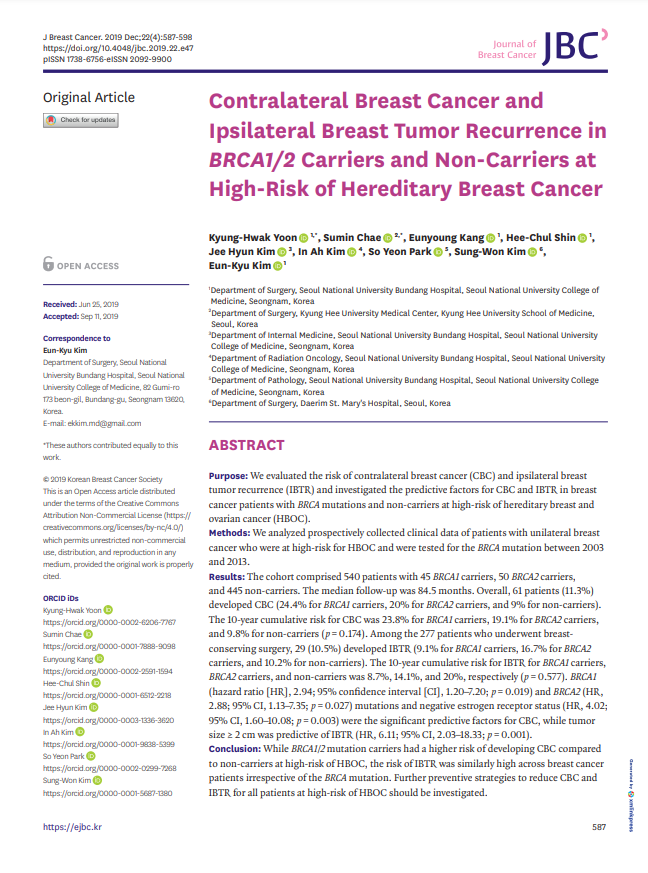 Contralateral Breast Cancer and Ipsilateral Breast Tumor Recurrence in BRCA1/2 Carriers and Non-Carriers at High-Risk of Hereditary Breast Cancer
-
 The functional ALDH2 polymorphism is associated with breast cancer risk: A pooled analysis from the Breast Cancer Association Consortium
-
 Height and body mass index as Modifiers of breast cancer risk in BRCA1/2 mutation carriers: A Mendelian randomization study
-
 Prevalence and oncologic outcomes of BRCA 1/2 mutations in unselected triple-negative breast cancer patients in Korea
-
 Development of a Management Algorithm for the Diagnosis of Cellular Fibroepithelial Lesions From Core Needle Biopsies
-
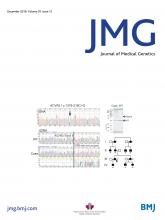 Reclassification of BRCA1 and BRCA2 variants of uncertain significance: a multifactorial analysis of multicentre prospective cohort
-
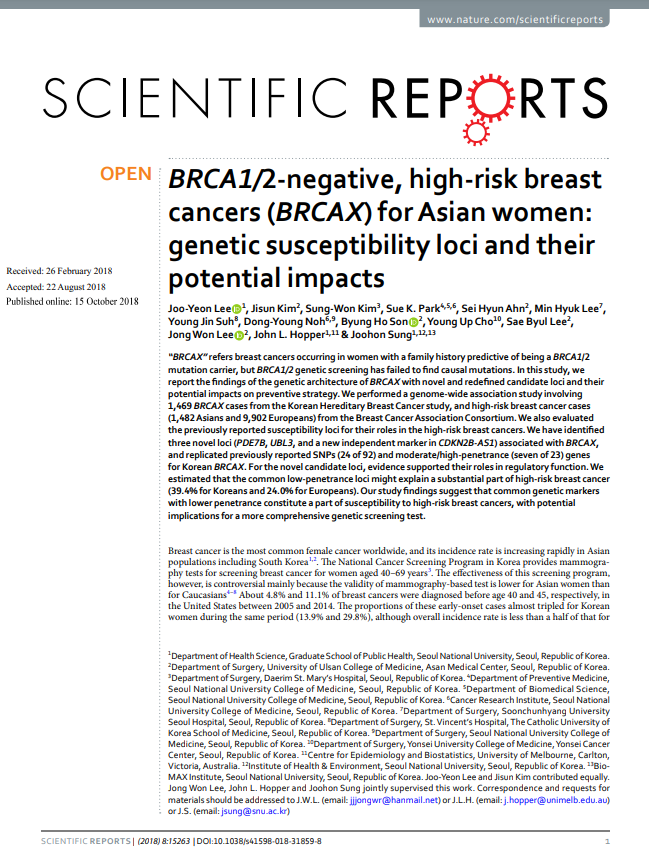 BRCA1/2-negative, high-risk breast cancers (BRCAX) for Asian women: genetic susceptibility loci and their potential impacts
-
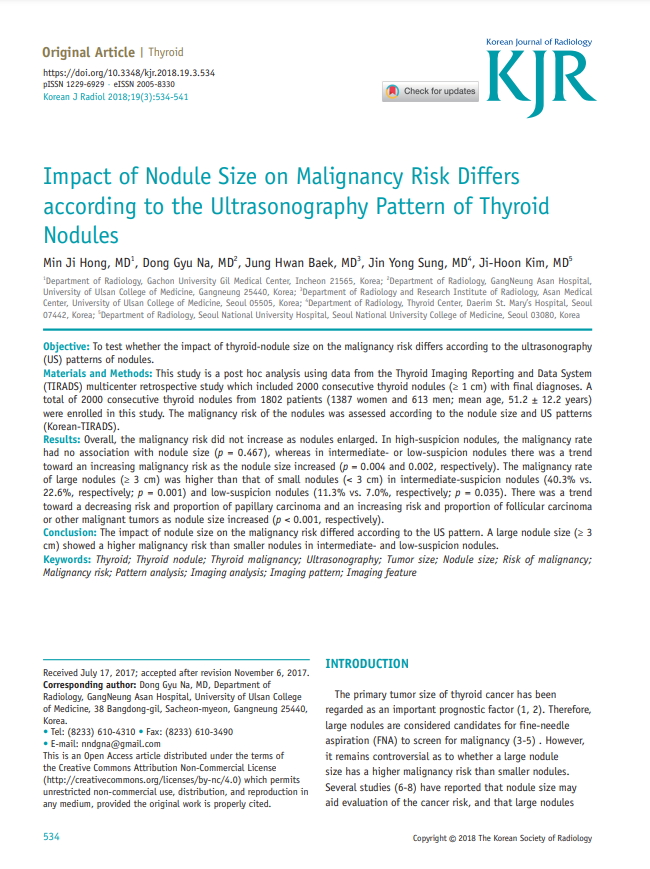 Impact of Nodule Size on Malignancy Risk Differs according to the Ultrasonography Pattern of Thyroid Nodules
-
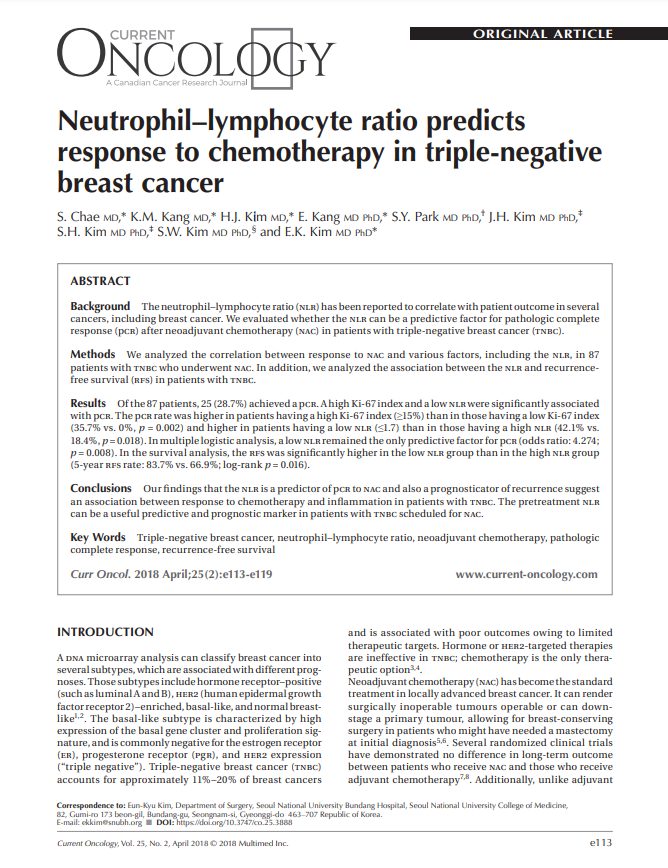 Neutrophil–lymphocyte ratio predicts response to chemotherapy in triple-negative breast cancer
-
 Identification of ten variants associated with risk of estrogen-receptor-negative breast cancer